
Velvet vs Linen Duvet Covers: Which Tahari Fabric Wins for Your Bedroom?
Choosing between velvet and linen for your duvet cover isn't just about aesthetics—it's about how you sleep, what your room feels like, and how much time you want to spend on laundry. We design both fabrics at Tahari Home, and each has earned its place in bedrooms for very different reasons.
Velvet brings warmth and a plush, cocooning texture that works beautifully in cooler months or air-conditioned spaces. Linen offers breathability and a relaxed, lived-in look that gets softer with every wash. Understanding what each fabric actually does—not just how it looks in a catalog photo—makes the decision straightforward.

Warmth and Temperature Regulation: Where Each Fabric Excels
Velvet’s dense pile traps air close to the surface, creating insulation that holds warmth against your body. If you sleep cold or keep your bedroom below 68°F at night, velvet delivers the kind of cozy weight that linen simply can’t match.
Linen works the opposite way. Its loose weave allows air to circulate freely, wicking moisture away from skin and releasing heat instead of trapping it. According to Wikipedia’s overview of linen textiles, flax fibers are naturally hollow, which contributes to the fabric’s exceptional breathability and moisture management.
Neither fabric is objectively better—your bedroom’s baseline temperature and your own heat tolerance determine which one you’ll actually use. We’ve seen customers switch between the two seasonally, keeping velvet for October through March and linen for the warmer half of the year.
Texture and Hand Feel: What You're Actually Touching
Velvet has a directional nap—the pile leans one way, so running your hand across it produces a color shift and a soft, almost liquid resistance. That plushness feels luxurious to most people, but it also means velvet shows every wrinkle, handprint, and crease.
Linen starts out with a slightly rough, crisp texture straight from the package. It softens noticeably after the first three or four washes, developing what many describe as a broken-in feel. The fabric never becomes silky—it retains a natural, textured hand that some people love and others find too casual.
If you prefer a polished, smooth surface, velvet wins. If you like fabrics that look and feel relaxed, linen is the better match. Our designer duvet cover sets offer both textures across multiple colorways, so you’re not locked into a single finish.
Care Requirements: Washing, Drying, and Long-Term Maintenance
Velvet Needs Gentle Handling
Velvet duvet covers require cold water, a delicate cycle, and low-heat tumble drying to avoid crushing the pile. High heat can mat the fibers, and aggressive agitation can cause the nap to lose its directional sheen. Most velvet covers also benefit from a quick shake-out after drying to restore the pile’s lift.
Linen Gets Better With Age
Linen tolerates warm water, regular cycles, and line drying without any special treatment. In fact, the fabric improves with repeated washing—each cycle softens the fibers and deepens the slightly rumpled texture that defines linen’s aesthetic. You can iron it if you want crisp edges, but most people skip that step entirely.
If low-maintenance bedding matters to you, linen is the clear winner. Velvet demands more attention but rewards you with a finish that stays visually pristine longer if you follow the care instructions.
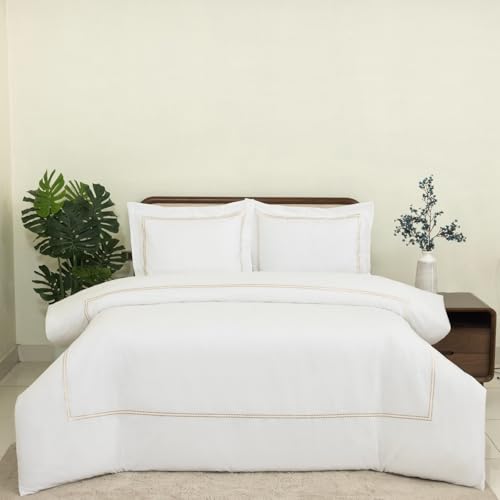
Durability and How Each Fabric Ages
Velvet’s pile can flatten in high-friction areas—anywhere your body or pets repeatedly press against the fabric. The color may also fade unevenly if exposed to direct sunlight for extended periods. That said, quality velvet holds up well to normal bedroom use as long as you rotate and wash it according to the label.
Linen is nearly indestructible. The flax fibers resist tearing, and the fabric actually strengthens slightly as it ages and softens. Linen duvet covers routinely last a decade or more with regular washing, and the natural color variations that develop over time are considered part of the fabric’s character, not a defect.
For guests who also use our cotton, linen, and velvet quilt collection, layering a quilt over a velvet duvet reduces direct contact with the pile, which extends the duvet cover’s lifespan.
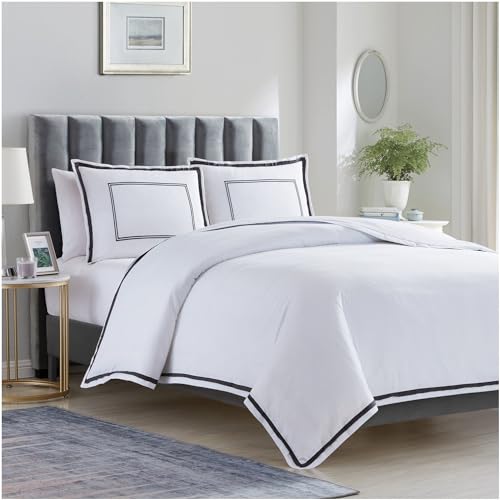
Style and Visual Impact in Different Bedroom Settings
Velvet reads as formal and opulent. The way light plays across the nap creates depth and richness that photographs beautifully and suits traditional, glam, or maximalist interiors. If your bedroom has other plush elements—upholstered headboards, heavy drapes, layered rugs—velvet reinforces that aesthetic.
Linen looks understated and organic. The slight texture and natural slubs give it a casual, lived-in quality that works in minimalist, coastal, Scandinavian, or farmhouse-style rooms. Linen doesn’t try to impress—it just sits quietly and looks like it’s been there forever.
Your existing decor usually makes this decision easy. If you’re unsure, consider whether your premium cotton and linen sheet sets lean formal or relaxed—matching that tone to your duvet cover creates a cohesive bedroom palette.
Picking the Right Fabric for How You Actually Sleep
The velvet vs linen duvet question comes down to temperature preference and how much maintenance you’re willing to handle. Velvet works when warmth, plushness, and a polished look matter most—just be ready to wash it gently and deal with some visible wear over time. Linen makes sense if you sleep hot, prefer low-maintenance fabrics, and like the relaxed aesthetic that comes with a naturally textured surface.
Neither choice is permanent. Many of our customers who shop at Kaiyo for sustainable furniture also rotate their bedding seasonally, treating fabric choice as flexible rather than fixed. That approach lets you enjoy both textures without compromising on comfort or style in any given season.
Common Questions About Velvet and Linen Duvet Covers
You can, but most people find velvet too warm for summer unless the bedroom is aggressively air-conditioned. Velvet traps heat by design, so it works best in cooler months or climate-controlled spaces that stay below 70°F year-round.
Yes, linen wrinkles easily and stays wrinkled unless you iron it. But that's part of its appeal—the relaxed, rumpled look is intentional, not a flaw. If you want crisp, smooth bedding, linen isn't the right choice.
Both velvet and linen can work for allergy sufferers, but linen has a slight edge because its loose weave traps less dust and pet dander than velvet's dense pile. Regular washing matters more than fabric type—linen just happens to tolerate frequent washing better.
Buy one of each and rotate them seasonally. Velvet for fall and winter, linen for spring and summer. That way you get the warmth when you need it and the breathability when temperatures climb, without committing to a single texture year-round.
Yes. Velvet's pile grabs and holds pet hair, lint, and dust much more visibly than linen. If you have shedding pets, linen is easier to keep clean with a quick lint roller pass before washing.
Linen can shrink up to 3-4 percent in the first wash, especially if exposed to hot water and high heat drying. Pre-washed linen minimizes this, but always check the care label and stick to warm or cool water to avoid unexpected shrinkage.